


Customized calculator base
Substrate calculator
It has been designed to fit any type of aquarium and make it easier to calculate the amount of substrate needed. It allows you to select the right amount of substrate for your tank, regardless of its shape.
How the calculator works
Calculator
Substrate calculator
The most frequently selected substrate height

The most frequently chosen substrate thickness for an aquarium is a layer of 4-5 cm.
Too thin a layer will prevent proper root development and may cause the substrate to leach out from beneath the substrate. Too thick a layer can contribute to the formation of hydrogen sulfide and toxic anaerobic zones. For an aquarium without plants, a 1-3 cm layer of substrate is adequate.
Summary
Calculation result
Recommended packaging:
Substrates
Do you know how much substrate you need?
Help
Not sure which substrate to choose or need advice? Contact us!


Types of aquariums
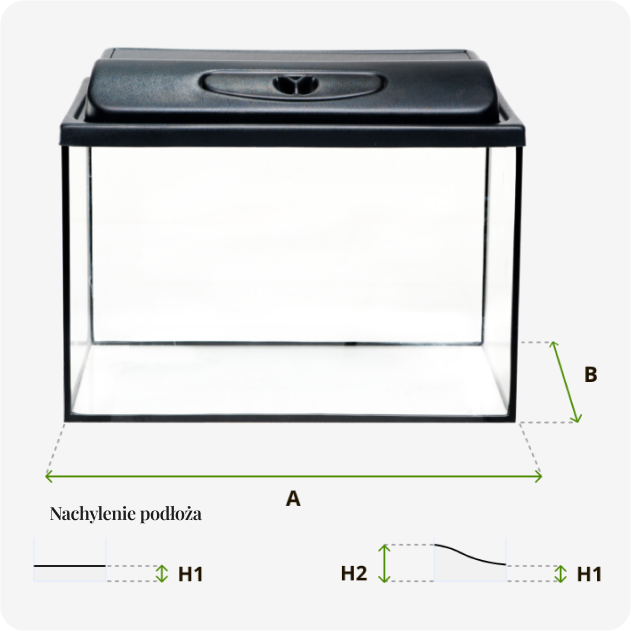
Rectangular Aquarium
A rectangular aquarium is a timeless choice that is ideal for both novice aquarists and advanced arrangements. Thanks to its classic shape, it provides a large display area and excellent conditions for water circulation and tank lighting.
The substrate spread evenly
A – Aquarium length
B – Aquarium width
H1 – Height of the substrate layer
Substrate with a sloping layer
A – Aquarium length
B – Aquarium width
H1 – First height of the substrate layer
H2 – Second substrate layer height
Types of aquariums
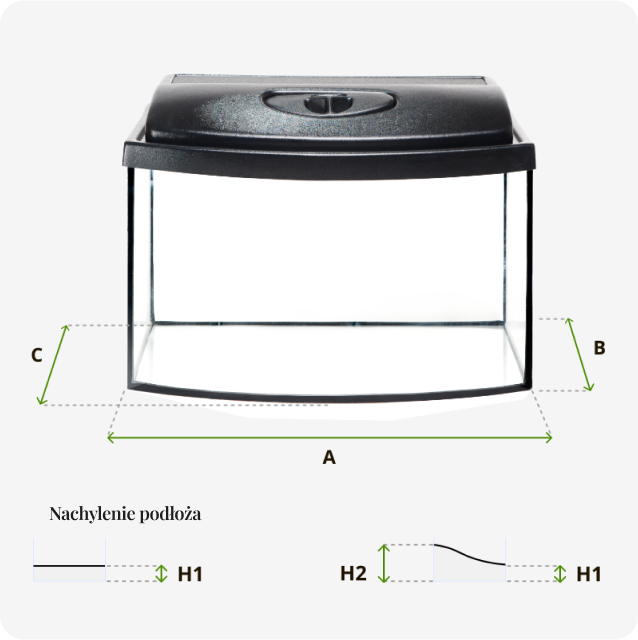
The Profiled (Oval) Aquarium is a timeless choice that is ideal for both novice aquarists and advanced arrangements. Thanks to its unique shape, it provides a large display area and excellent conditions for water circulation and tank lighting.
The substrate spread evenly
A – Aquarium length
B – Aquarium width
C – Width of the aquarium from a3> the longest bulge of the glass front to the rear wall (cm)
H1 – Substrate layer height (cm)
Substrate with a sloping layer
A – Aquarium length
B – Aquarium width
C – Width of the aquarium from a3> the longest bulge of the glass front to the rear wall (cm)
H1 – First height of the substrate layer
H2 – Second substrate layer height

Substrates
How to use the calculator?
The aquarium substrate calculator is an advanced tool designed for aquarists who want to precisely calculate the amount of material needed for their tanks. It works on the simple principle of processing user-provided data, such as aquarium dimensions (length and width) and the planned height of the substrate layer. Based on this information, the tool automatically calculates the volume of space to be filled with substrate and then converts this volume into weight in kilograms, which is the standard unit used in the sale of aquarium substrates.
An important feature of the calculator is its ability to distinguish between different types of substrate—active substrates, which are lighter and affect water parameters, and neutral substrates, which are heavier and do not change the chemistry of the water. Each type of substrate has different physical properties, which affect its density and thus the mass needed to fill the same space. The calculator takes these differences into account, providing accurate calculations for the various materials available in the range.
An advanced feature is the ability to plan mixtures of substrates, where the user can specify the proportions of two different substrates. This option is particularly useful for experienced aquarists who want to create optimal conditions for specific species of plants or animals. The calculator automatically divides the total required amount into two ingredients according to the specified proportions, which eliminates the need for manual calculations and reduces the risk of errors.
After completing the calculations, the calculator presents a detailed summary containing not only the total amount of substrate required, but also recommendations for its application in the aquarium. The user can add the calculated products directly to the shopping cart, which greatly simplifies the purchasing process, and can also download the results as a PDF file for later use. By using the conversion factor of 1 kg = 1 L for substrates from other manufacturers, the tool also allows for easy calculation of substrates from other manufacturers.
Differences in substratesSubstrates
The difference between substrates
Aquarium substrates are divided into two main types: active and neutral.. They differ not only in appearance and density, but above all in their chemical properties and impact on the water in the aquarium.
Therefore, we include two units in the substrate calculator:
– liters (l) for active substrates that are sold by volume,
– kilograms (kg) for neutral substrates, which are sold by weight.
Active substrates affect water parameters (lowering pH, GH, and KH), which is crucial in plant or shrimp aquariums. They are also a much better habitat for “beneficial” bacteria than neutral substrates and, thanks to its porosity, the substrate prevents the formation of anaerobic zones.
Substrates neutral are chemically stable and do not change the parameters of water, therefore they are often used to treat water and are therefore often used to treat water used in them whether they are used by people who are just starting out.
In order to ensure the most accurate calculations, the calculator adjusts the form of calculations to the type of substrate – thanks to this it is easier to estimate the actual amount needed for your aquarium.
Since each manufacturer of active substrates has a different actual net weight of the substrate, the calculator uses average weights for substrates such as Master Soil and Platinum Soil. This makes calculations more precise, but when using other brands’ products, the results may be slightly less accurate.
Active substrates
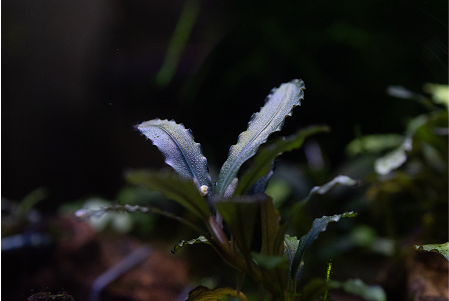
These are specialized granules designed for plant and shrimp aquariums. Their most important feature is their ability to stabilizing and modifying water parameters, such as water pH, total hardness GH (ratio of calcium to magnesium ions) or carbonate hardness (KH). This gives plants better access to nutrients, and shrimp from the family Caridina can live in optimal conditions.
Substrates active are sold by volume (liters) and are characterized by lower weight compared to neutral substrates. Their structure promotes the development of the plant root system.
Examples: Master Soil, Platinum Soil, Amazonia Soil.
Neutral substrate
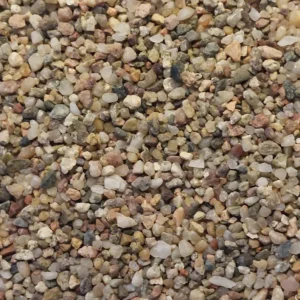
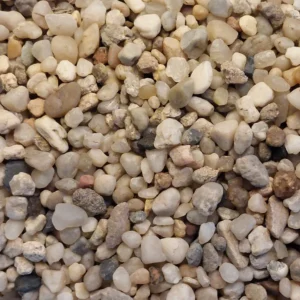
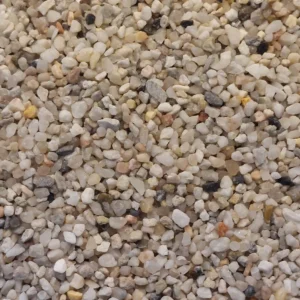
These are gravel, sand, and other natural aggregates that do not affect water parameters.. This makes them versatile – they can be used in general aquariums, decorative aquariums, biotope aquariums, as well as in tanks with fish that do not require special chemical conditions.
Neutral substrates are sold by weight (kilograms). They usually have a higher density and are heavier than active substrates, which makes it easier to stabilize decorations or maintain plants with stronger root systems.
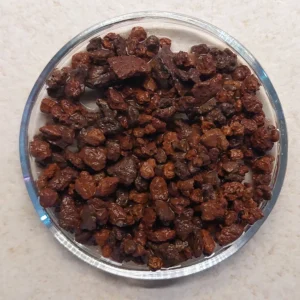
Examples: natural gravel, quartz sand, volcanic lava.
| Features | Active substrate | Neutral substrate |
|---|---|---|
| Purchase unit | Liters (l) | Kilograms (kg) |
| Reaction to water | Changes parameters (pH, GH, KH) | Chemically neutral |
| Application | Plant aquariums, shrimp tanks | General aquariums, for beginners |
| Density | Lower volumetric | Higher, by weight |
| Examples | Master Soil, Platinium Soil | Gravel, natural sand, lava |